
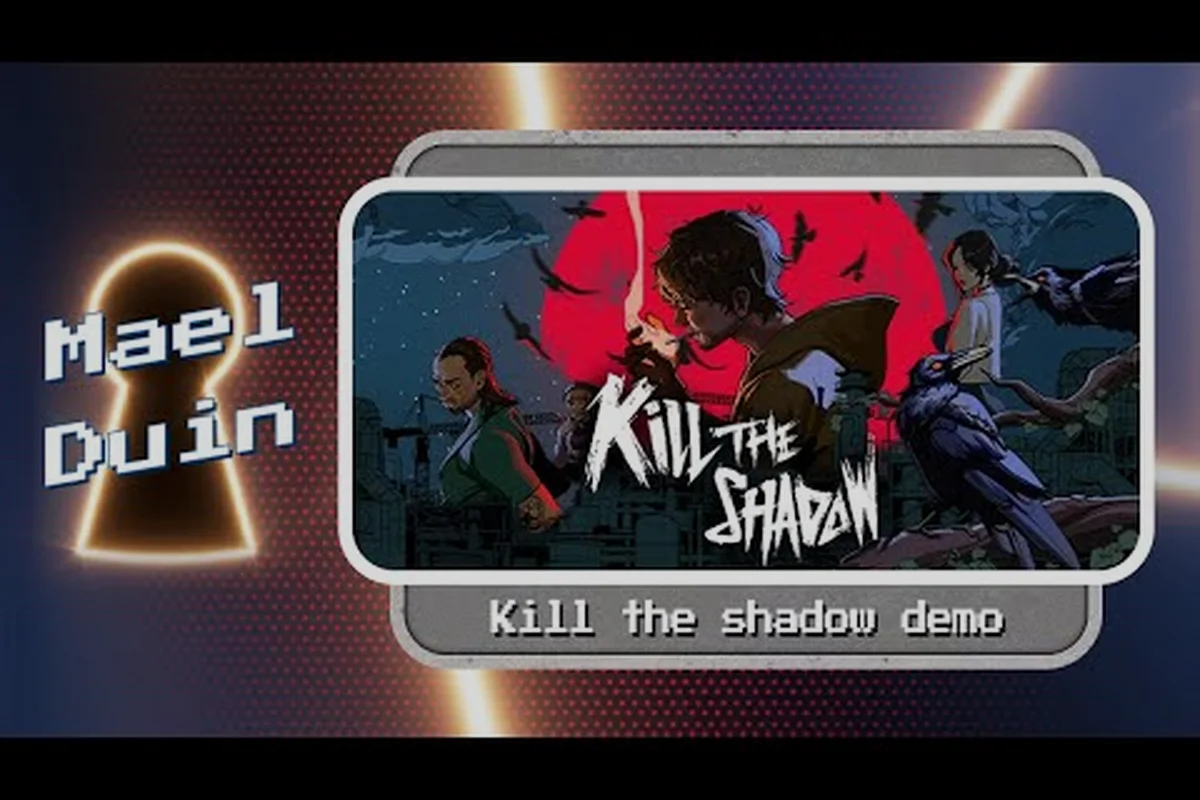
Understanding the Case Structure in Kill The Shadow
Every investigation in Kill The Shadow follows a deliberate three-phase rhythm that rewards players who slow down and read each scene carefully. Rushing straight to a suspect almost always ends with a flawed accusation and a bad ending, so learning the loop is the first step toward solving Dark Tide City's strangest mysteries. The cases themselves are stitched into the broader mystery of the city, and each one plants evidence that resurfaces in later scenarios, especially the Teddy death case and the sewer dismemberment mystery.
Phase One: Gathering Physical Evidence
The opening hours of a case usually drop Lucas into a sealed scene with a body, a small cast of suspects, and a pile of environmental storytelling. Walking the perimeter of the crime scene is mandatory because every interactable object writes a sticky note to your corkboard the moment you examine it. Coins on the floor, a knocked-over chair, a misplaced umbrella, a smudge on a window — all of it matters.
Veteran players recommend running the perimeter twice. First pass: grab everything obvious. Second pass: revisit objects with The Shadow active, because the rewound vision often reveals causes, not just states. A glass that looks empty in the present may glow with residue under the time rewind filter, instantly turning a minor clue into a keystone piece of evidence.
Phase Two: Interviewing Witnesses and Suspects
Once the scene is exhausted, Lucas travels to the relevant district of Dark Tide City to confront witnesses. Conversations branch depending on which ability path you've invested in, and each branch opens unique dialogue that can pressure, trick, or seduce a confession out of an interviewee. The Strength path lets you shove, intimidate, or block exits. The Spirit path triggers mind games that surface hidden anxieties. The Charm path lets you trade favors, smolder, or appeal to shared trauma.
Talking to the same NPC twice often unlocks a follow-up line that wasn't available the first time, so backtracking matters. Ninety percent of missed evidence in Kill The Shadow walkthrough discussions comes from players who forget to revisit a witness after collecting a new clue.
Phase Three: Building the Accusation
When you have at least three confirmed threads on the corkboard, you can pull red string between them and force a deduction. The deduction output is your working theory, and only when every thread is verified green does the case unlock its final confrontation. Submitting a half-finished theory is allowed but locks you out of the best endings and flags Lucas as unreliable in later cases.
The Corkboard Deduction System Explained
The corkboard deduction system is the analytical heart of Kill The Shadow and the mechanic every Kill The Shadow walkthrough revolves around. It mimics the classic detective board aesthetic, but Shadowlight rebuilt it from the ground up so each pin carries metadata that updates in real time. Treat the board as a living second screen, not a checklist.
How Threads Form
Every clue you collect spawns a colored pin on the corkboard. Pins come in three colors: blue for physical evidence, yellow for witness testimony, and red for Shadow vision reconstructions. Two pins only link when there is a thematic or logical connection the game recognizes. Hovering over a pin shows the connection criteria, and the system will gray out impossible pairings, so you don't waste time chasing dead threads.
Reading the Deduction Hints
When two pins link successfully, the game displays a small lantern icon. Three connected lanterns trigger an insight card that names a suspect or reveals motive. If you ignore these hints or jump past them, you will likely accuse the wrong person in cases like the Master Reed disappearance, where the actual perpetrator only surfaces after a specific insight chain involving a missing ledger and a forged signature.
What Happens When You Get It Wrong
Submitting a flawed deduction does not end the game. Lucas simply loses reputation in that district, witnesses become less cooperative, and certain shop prices in Dark Tide City rise as word spreads. Worse, the mastermind observing your blunders may adjust their plan, locking you out of the judge ending entirely. There is no manual save abuse here — every wrong step reshapes the branching narrative.
| Investigation Action | Reward on Board | Risk if Skipped |
|---|---|---|
| Examine every interactable object | Up to 4 new pins per room | Missed cause-of-death clues |
| Use The Shadow vision | Reconstruction pins (red) | Incomplete timeline |
| Revisit witnesses | Hidden dialogue branches | Locked suspect alibis |
| Match pins by theme | Insight lanterns | Endless loop with no progression |
| Submit only verified theories | Reputation bonus + district trust | Failed accusation, story drift |
Building the Right Ability Path for Each Case
The three ability paths in Kill The Shadow are not flavor choices. They determine which dialogue, locations, and resolutions are reachable. A pure Spirit build will solve the Shipwreck Wharf grudges case with a hauntingly poetic resolution, while a pure Strength build might bulldoze the same case into a confession that misses the emotional truth entirely. Plan your build before each major case rather than spreading points randomly.
Strength Path: Physical Pressure
The Strength path empowers Lucas to slam tables, block doorways, and physically corner suspects. It shines in interrogations against hostile targets like dock bosses or syndicate enforcers in Shipwreck Wharf, but it also locks you out of certain gentler resolutions. If you want the kiss ending with the mastermind, you'll need to deliberately fail some Strength checks so the romantic path stays open.
Spirit Path: Mind Games and Shadow Mastery
The Spirit path focuses on mental pressure, psychic whispers, and dramatic reveals powered by The Shadow entity inside Lucas. This build accelerates time rewind cooldowns, exposes subconscious lies, and is the only path that lets you read the death visions of people who died long before your case began. Most players consider Spirit build the canonical detective route, and it is the recommended path for a first Kill The Shadow walkthrough attempt.
Charm Path: Persuasion and Alliances
The Charm path trades brute force for relationship building. Through favors, flattery, seduction, and shared vulnerabilities, Lucas earns allies who feed him information for free in later cases. The Charm path is essential for accessing the judge ending because you need at least two ally witnesses willing to testify under oath. The downside is that Charm has the weakest combat utility, so expect rough fights in any side content you trigger.
| Ability Path | Core Verb | Best Case Match | Ending Access |
|---|---|---|---|
| Strength | Pressure | Shipwreck Wharf grudges | Kill ending |
| Spirit | Reveal | sewer dismemberment mystery | Judge ending |
| Charm | Persuade | Teddy death case | Kiss ending |
| Hybrid (Spirit + Charm) | Investigate then negotiate | Master Reed disappearance | All three |
| Hybrid (Strength + Spirit) | Intimidate then reveal | Late-game conspiracy | Kill or Judge |
Case Walkthrough Strategies for Dark Tide City
The base campaign of Kill The Shadow ships with seven major cases plus a chain of side investigations. Each case has a recommended order that the game subtly hints at through NPC dialogue, but experienced players often ignore that order to test the branching narrative engine. Below is a strategic blueprint covering the three flagship cases that anchor the launch review circuit.
Solving the Teddy Death Case
The Teddy death case opens the campaign and trains you on every system. Teddy was a dock worker found dead beneath the boardwalk, and the scene plants your first corkboard ever. Walk the perimeter, photograph the broken bottle, and use The Shadow on Teddy's body to witness the final thirty seconds of his life. The reconstruction pin reveals a second figure standing over the body, contradicting the lone-suicide theory.
Head to the dockside tavern and ask the bartender about Teddy. Charm unlocks a quieter conversation; Strength makes the bartender clam up entirely. Spirit reveals the bartender is haunted by guilt, hinting at indirect involvement. Once you collect all three pins, the board will suggest Teddy was set up by a rival foreman — the correct solution. Accusing the foreman unlocks the Charm path early and feeds a reliable ally into the Master Reed disappearance later.
If you're just starting out, check out our Kill The Shadow beginner guide for a deeper breakdown of the tutorial case and the first major decisions.
Cracking the Master Reed Disappearance
The Master Reed disappearance is the second flagship case and the first real stress test of your board skills. Reed was an archivist who vanished from his study, leaving behind a torn ledger, a cold teacup, and a feather. The twist — only visible via Spirit build vision — is that the feather belongs to a rare bird kept by a rival archivist.
The trick here is to follow the ledger, not the feather. Players chasing the feather burn hours pursuing a red herring that resurfaces later. The ledger, by contrast, leads to a forged signature and a missing shipment of acid, which connects this case directly to the sewer dismemberment mystery. Cross-link these pins early and you'll unlock the only dialogue path that reveals Reed is still alive — a stunning reversal that pays off the judge ending chain.
Surviving the Sewer Dismemberment Mystery
The sewer dismemberment mystery is the late-game stress test that decides most endings. By this point your corkboard is overflowing, and the game deliberately hides key pins behind environmental puzzles. You'll need to combine The Shadow rewinds with environmental manipulation — opening valves, redirecting flow, rerouting current — to access submerged evidence rooms.
Once inside, the actual dismemberment is not the heart of the case. The real crime is the conspiracy that made it look like a single lunatic was responsible. To crack it, you must pull every red pin, every yellow testimony from the Shipwreck Wharf grudges NPCs, and re-examine every clue from the Teddy death case in light of the new conspiracy. The board rewards patience here, and rushing this case is the most common cause of a soft-locked ending state.
| Case Name | Recommended Order | Difficulty | Pivotal Ability | Endgame Connection |
|---|---|---|---|---|
| Teddy death case | 1st | Tutorial | Charm path | Introduces foreman subplot |
| Shipwreck Wharf grudges | 2nd | Easy | Strength path | Establishes syndicate contact |
| Master Reed disappearance | 3rd | Medium | Spirit build | Bridges Reed to city archives |
| Sewer dismemberment | 5th | Hard | Hybrid Spirit + Strength | Locks judge vs kill route |
| District finale (varies) | 7th | Variable | Whichever path is strongest | Determines mastermind ending |
For an alternative take on solving these same cases with different ability investments, read our Kill The Shadow investigation guide.
Common Pitfalls and Expert Tactics
Even seasoned detectives fall into repeating mistakes in Dark Tide City. Lucas is a fragile protagonist, and the game punishes brashness in ways that aren't always obvious. Below are the pitfalls that show up most often in community discussions alongside the tactics that overcome them.
Pitfall One: Ignoring Side Evidence
Floating bottles, discarded cigarette butts, and torn posters are not decorative. Each one writes a pin to your board and contributes a small detail to the larger tapestry. Players who skip side evidence typically hit a wall around the fourth case where they lack enough verified threads to make a deduction. Kill The Shadow walkthrough veterans recommend scanning the room top-to-bottom, even ceilings and vents, before moving on.
Pitfall Two: Saving on Top of Saves
The game autosaves at every major decision, but it does not let you reload an arbitrary checkpoint without losing entire quest chains. The safest habit is to manually save only at the start of each case, then let autosaves carry you through. This keeps your branching narrative clean and stops The Shadow from recalibrating against corrupted timelines.
Pitfall Three: Hoarding Ability Points
Ability points can sit in your reserve indefinitely, but Dark Tide City reacts to unspent points. After three cases, NPCs begin commenting on how Lucas seems hesitant or unfocused, locking certain dialogue. Spend at least two points per case to keep your reputation as a competent detective, even if you intend to respec later at the lighthouse safehouse.
Expert Tactic: Cross-Case Deduction
The deepest trick in the entire game is connecting pins across cases. Once the Master Reed disappearance introduces the missing ledger, that ledger reappears as a yellow testimony pin in the sewer dismemberment investigation. Players who pull that thread immediately recognize the mastermind far faster than the game expects, earning the rare "early confession" cutscene that only triggers if you connect pre-existing pins before the case even opens.
Expert Tactic: The Shadow Strain Mechanic
The Shadow is not an unlimited resource. Each vision uses strain points that refill slowly during story scenes but freeze during combat. Boss-tier NPCs in the syndicate can deliberately target your strain, forcing you into close-quarters encounters where Spirit alone fails. Carry a backup melee weapon if you plan a pure Spirit build, and consider pairing Spirit with Strength for the sewers, as recommended in our Kill The Shadow tips and tricks write-up.
Expert Tactic: Personality Mirroring
NPCs in Kill The Shadow respond strongly to mirrored body language and lexical choices. When a witness uses flowery metaphors, the Charm path benefits when you match their register. When a suspect speaks in clipped, hostile bursts, the Strength path dominates. The Spirit path is uniquely powerful with liars because it detects breaks in their rhetorical pattern; mirror them and they panic, exposing hidden testimony pins. Mastering this micro-game is what separates a passable run from a perfect one.
For a broader strategic breakdown, our Kill The Shadow best strategies guide dives into how these tactics interact with the late-game conspiracy. If you'd like a fresh save progression starting from the very first session, head to our Kill The Shadow how to start primer.
External Confirmation and Further Reading
The mechanics outlined here match what Shadowlight confirmed in their August 2026 launch coverage. As reported by TechTimes, the developer built Dark Tide City to be a deliberate murder puzzle box where every district contributes to a layered conspiracy. The GamingBolt interview with the studio also verified that the corkboard deduction system is the connective tissue between every ability path, which is why investing in only one build can feel limiting during the final third of the campaign.
Together these references confirm that case-solving is not a single skill check but a layered system where time rewind, witness dialogue, evidence linking, and ability progression all feed into the same corkboard. Once you internalize that loop, every new case in Dark Tide City becomes less of a puzzle and more of a rhythm — and the branching narrative stops feeling overwhelming, instead revealing itself as the elegant design it actually is.
Case Solving FAQ
How do I unlock the judge ending in Kill The Shadow?
The judge ending requires a minimum of two ally witnesses willing to testify, completed Spirit build progression through at least four cases, and a successful cross-case deduction linking the ledger from the Master Reed disappearance to the sewer dismemberment mystery. Submit only fully verified theories on the corkboard for the entire run.
Which ability path is best for first-time players?
The Spirit path is recommended for beginners because it accelerates The Shadow cooldowns, exposes subconscious lies, and unlocks the most detailed witness dialogue. It also branches cleanly into the Charm path later, keeping the kiss ending accessible without forcing a full respec at the lighthouse safehouse.
Can I revisit old cases in Kill The Shadow to find missed evidence?
Yes. After solving a case, you can return to its location via the lighthouse map and replay the investigation with your current board intact. New pins do not appear, but old pins can be re-examined under time rewind to reveal hidden metadata, which is essential for catching evidence you missed during the original run.
How many cases are in the base game?
The base game ships with seven major cases and roughly twelve side investigations across Dark Tide City. The major cases are gated by reputation and ability progression, but the side cases are available from almost any district after the second story beat, allowing flexible pacing.
Does evidence respawn between playthroughs in Kill The Shadow?
No. Pins on the corkboard are tied to a single playthrough because they influence Lucas's reputation and the branching narrative. However, the items themselves are script-defined, so speedrunners and achievement hunters can plan precise routes that hit the same evidence in a fixed order across multiple runs.